
Overview
When it comes to the list of most common dental procedures, crown restorations make it in the list of top ten. In spite of this, there’s very little awareness of the installation process and its benefits.
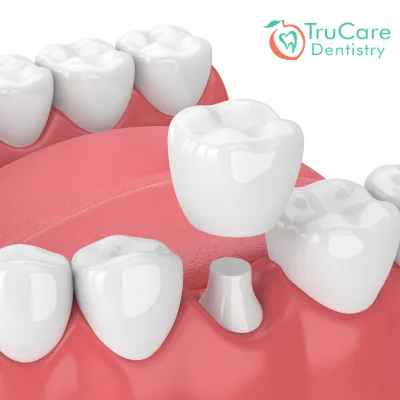
Crowns are non-removable prosthetic devices that are cemented on the parts of the existing tooth or a dental implant. The restorations cover the natural tooth’s outer aspect entirely. In some cases, the dental care expert may fit a crown that extends down, touching the tooth’s root surface. Crowns or caps are made with exact measurements for ensuring they fit perfectly on the damaged teeth.
Crowns physically hold the vulnerable portions of the tooth together, shielding them from further damage. Thus, the patient can chew with the infected tooth again, without worrying about the area underneath.
The cover helps in maintaining the structural integrity of the mouth by filling up the gaps created after the removal of decayed tooth portions. If left untreated, such gaps can impact the bite, and slowly change the position of the nearby teeth as well.
Dentists may recommend a crown for restoring a fractured tooth, for protecting a weak tooth, covering a dental implant, covering a discolored, poorly shaped tooth, or covering the tooth after performing a root canal treatment. Put simply, besides covering the damaged parts, a crown offers tooth-like shape and structure to the damaged tooth and restores its ability to chew food.
Dentists and patients can choose the crown material from a variety of options like resin, gold, metal, porcelain, ceramics, etc.
At times, dentists install a temporary crown made from acrylic or resin composite for a few days while the permanent ones arrive from the lab. Temporary crowns are soft and meant to protect the restoration site just for a few days. They look great and are easy to be removed.
Dental crown placement procedure
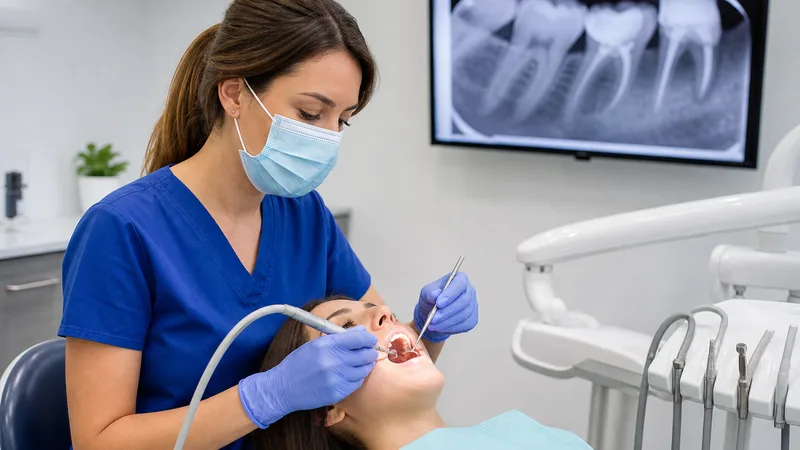
The dental crown procedure is straight-forward, logical, and not scary at all. As the first step, the dentist numbs the affected tooth and gum tissue with an anesthetic. Then, he or she uses a dental drill and other tools for removing the decayed portions and cleans the entire structure. If required, the surgeon would also remove additional corners of the affected tooth for ensuring there’s enough space and support for the crown. The next procedure involves using a digital scanner or dental impression putty for taking measurements of the affected tooth to create the cap.
If the concerned dental office has a CEREC system (in-office milling machine) in place, the dentist would be able to create and install the permanent restoration within just a few minutes. So, the restoration procedure can be completed in a single sitting. The dentist won’t need to send the impressions to the lab and wait for the crown to arrive.
In case if the dental clinic believes in following the old-school procedure for better results, the dentist would install a temporary crown in the first sitting. Then, remove the temporary one and fit the permanent crown during the second appointment after a few weeks. Special cement or glue is used for ensuring the cover remains in its place for several years.
Why do patients need a dental crown replacement?
If the patient manages to maintain good oral hygiene, the dental crown can last for at least 15 years. However, several factors can impact their lifespan.
Dental care experts from around the world report the formation of new cavities or infection in the covered part of the tooth as two of the main reasons behind the failure of a crown. The crowned tooth can face problems even if it develops a fracture or suffers impact trauma. There is no option besides removal and replacement of the cap in case if it gets damaged, loosens, or falls.
The dental crown removal procedure
The dentist determines the method depending on the reasons behind the crown’s failure. The conditions of the cap, as well as the tooth, are also given equal consideration. The cover needs to be handled with extra care if it is meant to be reused.
Temporary crowns can be removed easily with the help of specially designed tools as these covers are sealed with weak cement and adhesives. However, the procedure for removing permanent ones is a little bit complicated. The dentist may use narrow-ended hand instruments as well as high-speed rotary devices.
The surgeon must remain vigilant while cutting. So, the procedure needs to be performed by an experienced, licensed practitioner. Most dentists prefer cutting the old restoration into multiple pieces and removing each section one by one. The most careful chairside assistance ensures rapid evacuation of debris. Thus, excess pressure, vibration, and excessive noise are things of the past.
A local anesthetic is used for ensuring the tooth, as well as gum tissue, remain numb, and the patient feels comfortable during the cap removal procedure.
Opting for a crown can be better compared to an implant
A crown proves to be a better option, even in comparison with a dental implant. Crown restoration helps in retaining natural roots resulting in better oral health. Plus, most of the dental insurance policies cover the cost of crown restoration. But, remember, dental care does not offer a one size fits all approach. Thus, it is always better to let your dentist make the decision and choose the best possible treatment for you.
In some cases, patients who have diabetes, blood pressure, or other medical conditions may not prove fit enough to undergo the implant procedure. A root canal and crown-based restoration can help such patients in getting their chewing ability back.
The success rate for the crown restoration procedure is high for single crowns as per several studies. But, the process should be performed by an experienced dental care expert.
Are you in search of a reputed dental office that offers dental crown in Roswell (GA)? If so, you should surely fix an appointment at TruCare Dentistry. Dr. Toral Ardeshna has helped several patients in restoring a beautiful smile as well as their ability to chew normally.
“Regular dental visits help prevent disease and catch problems early when treatment is simpler and less costly.”
“When patients understand their treatment options, they make better decisions about protecting long-term oral health.”
Frequently Asked Questions
Does TruCare Dentistry offer crowns & bridges? +
Yes. TruCare Dentistry provides crowns & bridges for patients in Roswell, Marietta, and East Cobb.
How do I schedule an appointment? +
Call (678) 321-7575 or use our online contact form. We are located at 9205 Coleman Rd, Suite 200, Roswell, GA 30075.
Do you take dental insurance? +
We accept most major dental insurance plans. Call (678) 321-7575 and our team will confirm your coverage before your visit.
Do you see patients from Roswell and Marietta? +
Yes. Most of our patients come from Roswell, Marietta, and nearby zip codes such as 30075, 30076, 30350, 30062, and 30068. We also welcome new patients from across the greater Atlanta metro — many of our long-term patients travel from well outside the immediate area.
Do you offer same-day emergency appointments? +
Yes, during business hours we offer same-day emergency dental care when urgent pain, swelling, or trauma requires immediate attention.
Who provides care at TruCare Dentistry? +
Dr. Toral Ardeshna, DDS, and our experienced team provide personalized family, cosmetic, and restorative dentistry under one roof.
Schedule Your Visit in Roswell, GA
Same-day emergency appointments available. Serving Roswell, Marietta, and East Cobb.